


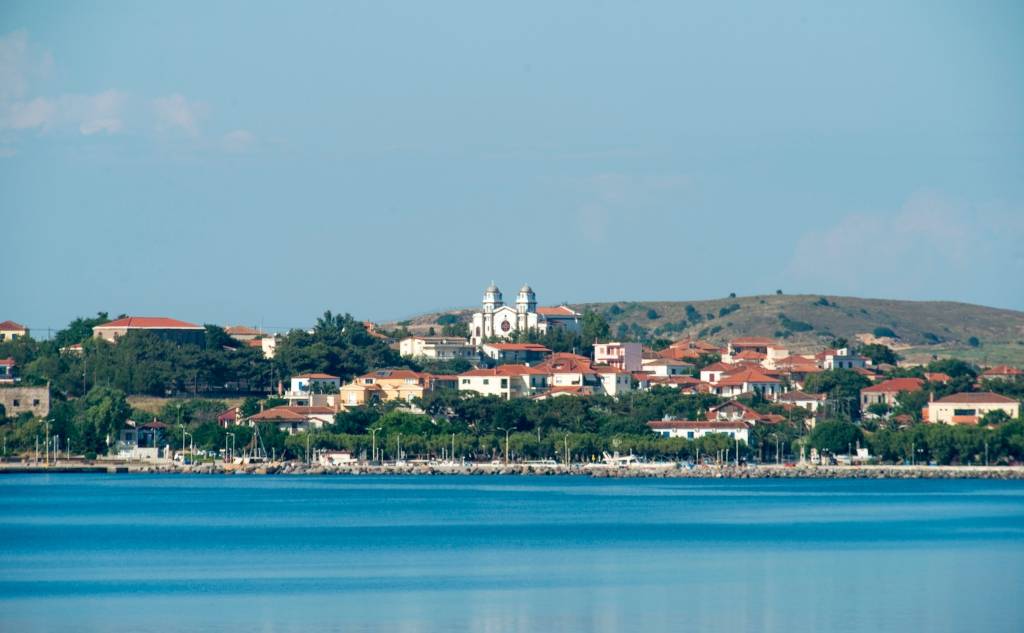
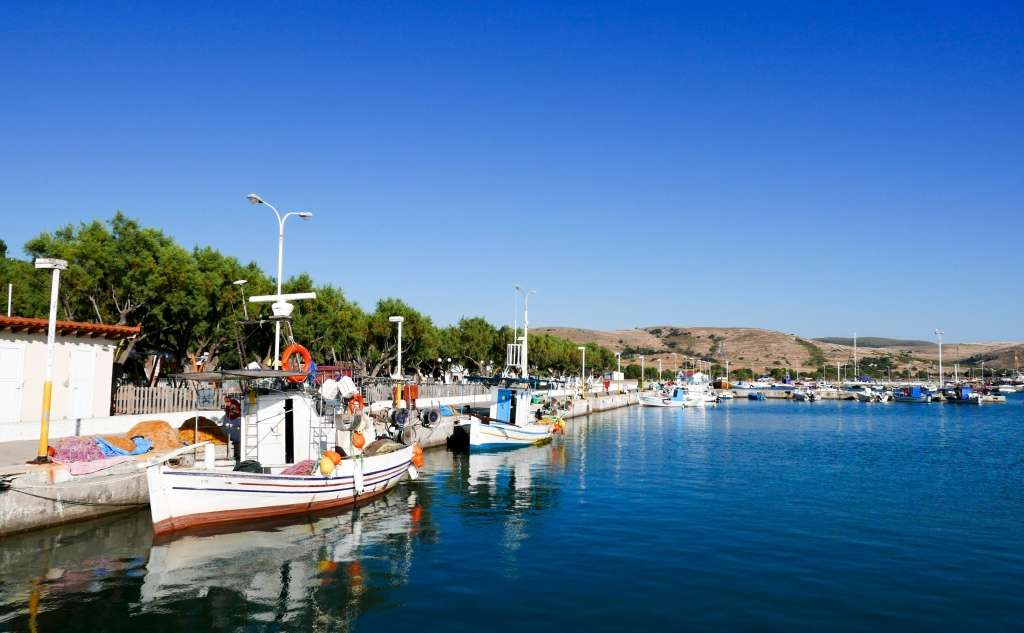
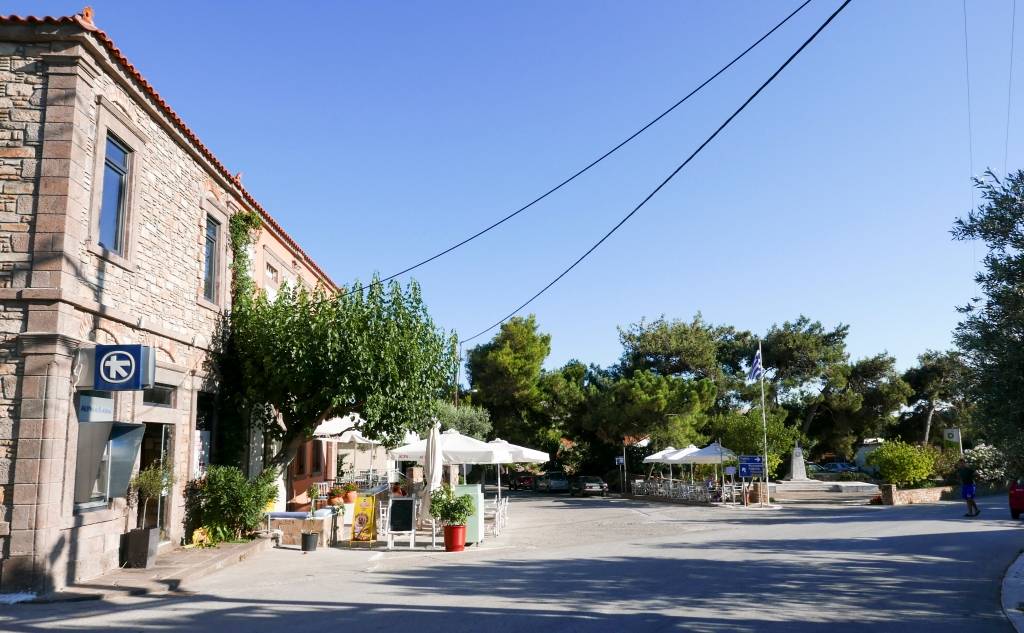
Moudros is the second largest town of Limnos situated on the east bay of the island. It is a coastal area, 28 km away from Myrina and provides full tourist services and infrastructure for visitors and habitats, as well as a rich historic interest since its inhabitance dates back to the prehistoric times.
Wandering around the local shops, cafes and restaurants, your attention will surely be attracted by the temple of Evaggelistria with its impressive architecture, the stone-built primary school and the temple of the Taxiarhes.
Keep following the coastline, where delicious fish dishes can be tasted. If you find yourselves at this spot in the evening, you will experience one of the most beautiful sunsets.
History
The habitation of the historic Moudros begins at the prehistoric times with the first settlement on the island of "Koukonisi", which according to the excavation project appears to be equivalent to the Poliochne one. It has been occupied for centuries by the Enetians, Byzantine and Ottomans, yet its reputation began to grow with the Orlophics.
Moudros is considered to be one of the largest and safest natural ports in the Mediterranean, as it is protected by the northern winds and the sea streams. Its morphology and ability to accommodate even large armorships has historically made it a key port.
Pavlos Kountouriotis, admiral of the battleship "AVEROFF", used Moudros as a base of operations during the First Balkan War (1912-1913) for the battle of Elli and the battle of Limnos, thus freeing the first island from the Turkish occupation.
Consequently, it was selected by the Allied forces as the port to dock their fleet for the Gallipolis campaign during World War I (1915-1919).
In the years of the inter-war it flourished as a trading port, and after-war became a place of left-wing exile.